Find
Compare the selected variation, not only the lowest displayed price.
HipoBuySPREADSHEET · QC · W2CBrowse spreadsheet ↗2026 GUIDE · INDEPENDENT PRODUCT RESEARCH
Browse curated finds, understand W2C links, read QC photos and estimate shipping before you commit to a parcel. Practical research, organized in one calm place.

The same ten main-site categories remain in a balanced 5 × 2 grid. Every category opens the matching live directory.
THE 3-STEP METHOD
A useful spreadsheet carries the right information into QC and parcel planning.
Compare the selected variation, not only the lowest displayed price.
Check the source, expected measurements and warehouse QC while a return can still be requested.
Compare eligible routes by chargeable weight, restrictions, insurance and final coupon rules.
BUYER DECISION LAB · CASE 01
This original demonstration carries one product requirement from spreadsheet discovery to a parcel decision. It is a research model—not a real order, seller endorsement or quality guarantee.
Write the category, intended use, budget ceiling and the measurements that would make the item unacceptable.
Output · a short purchase briefSave the source URL, selected color, seller size, domestic delivery and one detail that distinguishes the listing.
Output · a verifiable W2C recordCheck identity first, then request the measurement or close-up that could change the approval decision.
Output · approve, clarify or returnCompare actual and volumetric weight, eligible routes, useful packaging and a no-coupon fallback.
Output · a parcel-ready decisionEach card uses the matching main product image and opens its exact kakobuymake.com product page.

Bags
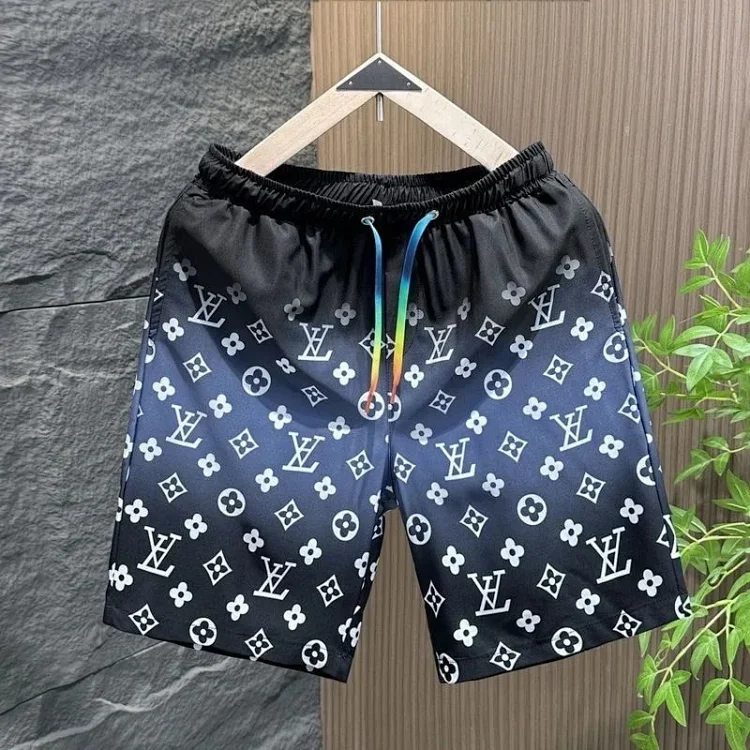
Shorts
Shirts
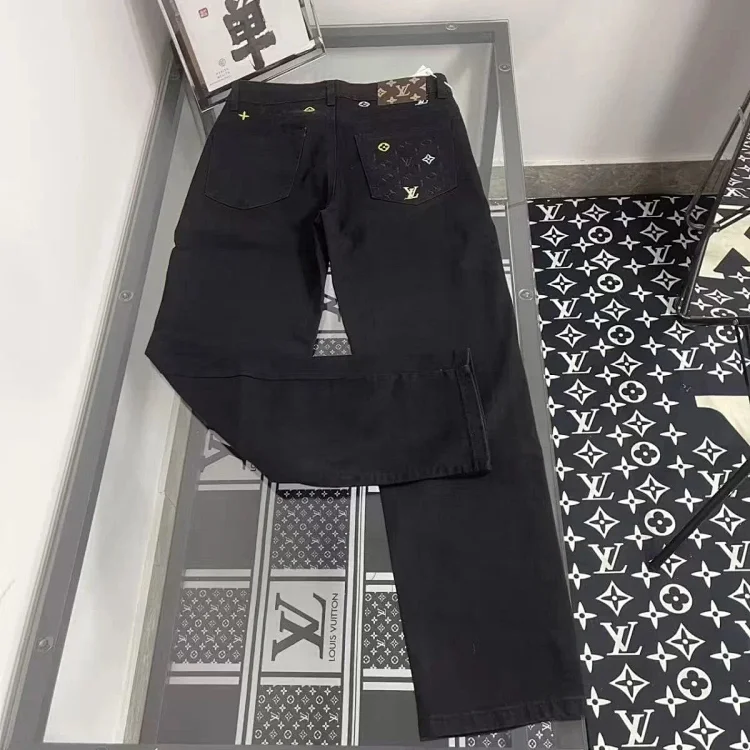
Jeans
Accessories
Watches
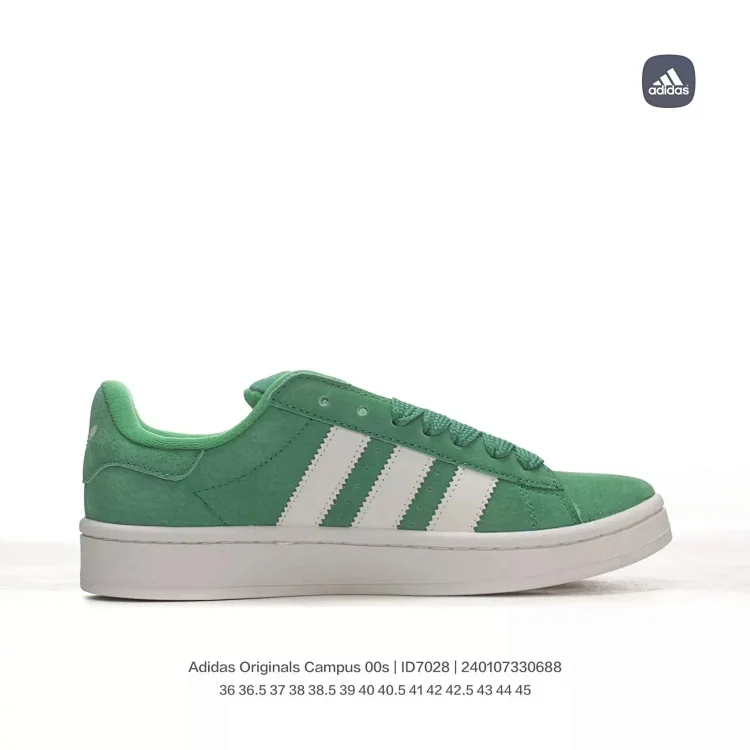
Shoes
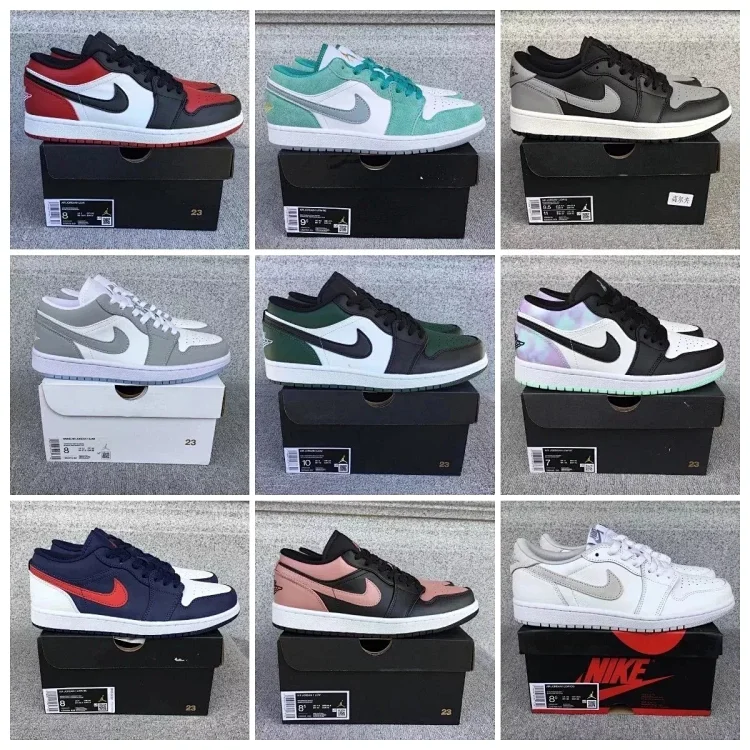
Shoes
Sets
HoodiesDedicated guides answer the questions people search before paying: warehouse QC, W2C source verification, parcel planning, coupons and service fees.
THE REAL COST STACK
Estimate delivered cost in layers so a cheap listing does not become an expensive parcel after domestic delivery, optional services and international shipping.
Open the complete fee guide ↗Seller price + selected variation
Chinese seller-to-warehouse delivery
Optional photos, video or packaging
Chargeable weight × eligible route
Possible tax or local handling

A field-tested research workflow for turning a spreadsheet find into a verified Taobao, Weidian or 1688 purchase record—without confusing discovery with proof.
Read the complete article ↗A category-by-category inspection system for reading HipoBuy warehouse photos, requesting useful evidence and deciding before international shipping.
Read the complete article ↗A landed-cost guide that separates product price, domestic freight, optional warehouse work, chargeable weight, coupons and destination-side risk.
Read the complete article ↗COMMON QUESTIONS
Shipping prices, promotions and optional-service rules can change. Confirm the current value inside HipoBuy before payment.
It is an independent product-discovery directory that organizes marketplace finds by category. Instead of searching Taobao, Weidian and 1688 from scratch, you can compare a curated selection and open the relevant product or source page.
No. This is an independent shopping research and product-discovery site. HipoBuy operates separately, and marketplace sellers remain responsible for their listings.
W2C means ‘where to cop’—community shorthand for the original purchase source. A W2C entry normally points to a Taobao, Weidian or 1688 listing, or to a page that helps you open that listing through a shopping agent.
QC means quality control. Warehouse QC photos show the item that arrived before international shipping, helping you review color, shape, labels, visible defects and seller accuracy.
Basic warehouse inspection photos are generally included for purchased items. Previous published pricing listed optional extra photos at CNY 1 each and an optional video at CNY 7; confirm current pricing inside HipoBuy before ordering because service rules can change.
HipoBuy has published a 90-day free storage period. Always check the current countdown in your account because extensions, overdue handling and promotional policies can change.
The final cost can include the product price, Chinese domestic delivery, payment conversion, optional inspection services, packaging and international shipping. A headline ‘zero service fee’ does not mean every stage is free, so compare the complete checkout total.
Routes may charge by actual weight or volumetric weight. Destination, parcel size, category restrictions, insurance, customs handling and seasonal capacity can all affect the quote.
Coupon types vary. Some apply to products, some to international shipping and others only to new accounts or specific routes. Read the minimum-spend, expiry and route restrictions before relying on a displayed value.
Marketplace links can disappear without warning. Strong spreadsheet pages show a last-checked date and remove unavailable items instead of keeping dead links for page-count purposes.
No. They reduce uncertainty but do not prove materials, long-term durability, sizing or authenticity. Request close-ups when a specific feature matters and compare the item with seller measurements.
Check every item’s QC photos, size and color, remove unwanted packaging where appropriate, compare available shipping lines, review insurance and restrictions, then confirm the declared parcel information.
READY TO BROWSE?
ALL ARTICLES · 2026 RESEARCH EDITION
Each 1,500–1,800-word article is based on a distinct buying decision and the official HipoBuy sources listed inside the article.
A field-tested research workflow for turning a spreadsheet find into a verified Taobao, Weidian or 1688 purchase record—without confusing discovery with proof.
Read the complete article ↗A category-by-category inspection system for reading HipoBuy warehouse photos, requesting useful evidence and deciding before international shipping.
Read the complete article ↗A landed-cost guide that separates product price, domestic freight, optional warehouse work, chargeable weight, coupons and destination-side risk.
Read the complete article ↗W2C & SPREADSHEETS · INDEPENDENT RESEARCH
A field-tested research workflow for turning a spreadsheet find into a verified Taobao, Weidian or 1688 purchase record—without confusing discovery with proof.
A useful HipoBuy spreadsheet compresses the discovery phase. Instead of opening dozens of Chinese marketplaces with no vocabulary, a buyer can begin with a category, a visual reference and a direct product record. That is valuable, but it is not the same as verification. The official HipoBuy website describes the service as an agent for Taobao, 1688 and Weidian, while the official app listing specifically mentions purchasing from Taobao and 1688. In practical terms, HipoBuy sits between an overseas buyer and a domestic marketplace seller; the spreadsheet simply helps the buyer decide which seller page deserves attention.
The distinction matters because marketplace listings are fluid. A seller can replace photographs, rename options, remove sizes or turn an old product page into a different item while preserving the URL. A spreadsheet title may therefore remain readable after its underlying evidence has changed. The correct mental model is a research index: it reduces search friction, but the current seller page remains the transactional source. If the card says a black jacket costs 189 CNY, confirm that the black jacket—not a deposit, accessory or smaller variation—is the option producing that price today.
W2C means “where to cop,” a compact community phrase for the purchase source. Strong W2C content answers more than “where?” It also preserves enough context to explain what the user is supposed to choose after opening the source. The minimum useful record contains the original marketplace URL, seller identity, selected color or model, chosen size, displayed domestic-shipping charge, capture date and at least one distinctive product feature. Without those fields, two visually similar listings can become impossible to distinguish once they reach a warehouse.
Think of the W2C path as a small evidence chain. Discovery proves that a candidate exists. The source page proves what the seller currently offers. The agent order proves which variation was purchased. Warehouse photographs prove what physically arrived. None of these stages can replace the others. A polished spreadsheet image does not prove that the seller still has stock, and a warehouse photo cannot tell you whether you ordered the intended batch unless you retained the original option details. Good research keeps these stages connected instead of treating the first clickable URL as the finish line.
Before sending a link to HipoBuy, perform a short but disciplined listing pass. First, read every option label and note which selection controls the headline price. Second, compare the gallery with the spreadsheet image, looking for a stable detail such as pocket shape, sole pattern, hardware finish or model code. Third, check seller activity indicators available on the marketplace page: recent transactions, reviews, updated stock and response signals are more useful than an old popularity badge. Fourth, identify domestic delivery because it belongs in the purchase cost even when the item price looks unusually low.
Finally, record uncertainty rather than quietly guessing. If an option translates poorly, save the Chinese text and ask support to confirm the intended variation. If two sizes share a generic label, use seller measurements instead of assuming a familiar international size system. This is where a human research workflow outperforms bulk scraping. Automation can collect URLs and prices, but it rarely understands that “photographed style,” “pre-sale payment” or “single accessory” changes the commercial meaning of a listing. A five-minute check is cheaper than paying domestic freight, waiting for storage and requesting a return for the wrong selection.
Broad searches such as “best HipoBuy finds” create visually exciting results but weak comparisons. Search with product anatomy: category, material, construction and the feature that would cause rejection. A shoe query becomes “low-profile suede shoe, gum sole, EU 43 insole measurement.” A bag query becomes “structured shoulder bag, metal chain, interior zipper, approximate width.” These phrases improve both discovery and QC because they describe observable attributes rather than relying on a label that may be translated inconsistently across marketplaces.
This approach also creates stronger spreadsheet taxonomy. Categories such as Shoes, T-Shirts, Clothing, Hoodies, Pants, Leather Belts, Bags, Perfume, Electronics and More Finds should not be empty SEO buckets. Each can carry category-specific verification fields. Shoes need tagged size and insole length; electronics need voltage, plug and battery restrictions; perfume needs liquid volume and route eligibility; clothing needs garment measurements. The category becomes useful when it anticipates the next purchasing question. That is how a spreadsheet earns repeat visits: it shortens decision time rather than merely increasing link count.
HipoBuy’s public positioning is built around helping international users purchase products from Chinese platforms. When a marketplace URL is supported, paste or open that exact source inside the agent flow and compare the imported title, options and price with your saved record. If the page requires a manual order, provide the original URL, Chinese option text, quantity, acceptable substitution rule and a concise note about the essential feature. “Black, size large” is weak; “option 黑色, seller size L, chest target 116 cm, do not substitute another fabric” is actionable.
Do not use the order remark as a wish list for services that belong later. Purchasing instructions should resolve seller-side ambiguity. Warehouse inspection requests should resolve physical evidence after arrival. Mixing the two creates noise and makes it harder to see whether the buyer fulfilled the correct order. HipoBuy’s official app listing advertises professional buyers available around the clock, but availability does not remove the buyer’s responsibility to provide an unambiguous record. Support can clarify a source; it cannot reconstruct a preference that was never documented.
Once an item enters storage, reopen the saved record next to its QC photographs. Check identity first: product type, count, color, tagged size and visible option-specific details. Only then evaluate workmanship. This order prevents a common mistake—spending ten minutes judging stitching on an item that is already the wrong variation. HipoBuy’s app landing page explicitly invites users to search with QC photos, which confirms that warehouse imagery is part of its public product experience. The photographs are most useful when compared with a precise pre-purchase expectation.
Create a simple decision status: approve, request evidence, request seller action or reject. “Request evidence” should name the unresolved question and the photograph that could answer it. For example: measure the insole from heel to toe; photograph the zipper track under direct light; show the plug specification; place a ruler across the chest. Avoid requests such as “check quality,” because quality is not a single visible property. The spreadsheet should store the decision and date, turning a discovery tool into a compact audit trail for the parcel.
A credible HipoBuy spreadsheet should show signs of maintenance. Useful signals include a recent review date, working product destinations, clear categories and direct links to the matching product record. Weak signals include thousands of near-duplicate cards, identical descriptions, unqualified claims about “best quality” and no indication that options were checked. Freshness is not the same as publication date. A page edited yesterday can still contain unverified imports; an older page can remain reliable if its links and variation notes were checked again.
For your own buying log, classify a dead link rather than deleting all history. Mark it unavailable, record the last verified date and keep the distinguishing attributes that made the item interesting. Those attributes can seed a replacement search without pretending that a new seller is equivalent. This is especially important for SEO pages: replacing a dead URL with a random alternative may preserve clicks but destroys trust. The better practice is transparent maintenance—remove the unavailable product from active recommendations and explain that marketplace inventory changes faster than editorial pages.
Start with a category and a defined requirement. Open the candidate source, inspect the priced variation, check seller and delivery information, then save a compact evidence record. Import that exact source into HipoBuy, verify that the agent page reflects the intended option and write only the seller-facing clarification needed to place the order. At warehouse arrival, compare identity and measurements before workmanship. Finally, approve the item only when the remaining uncertainty is acceptable for the product price and shipping contribution.
This method is deliberately slower than blind link collecting and much faster than fixing mistakes after international dispatch. It turns the focus keyword “HipoBuy W2C spreadsheet” into a real process rather than an SEO label. The spreadsheet handles discovery; the listing pass handles commercial accuracy; HipoBuy handles purchasing and storage; QC handles visible evidence; the parcel stage handles transport. Keeping those jobs separate is the simplest way to make every click carry useful context from first search to final delivery.
RECONSTRUCTED Q&A
Usually no. A spreadsheet is a discovery layer. The actual transaction is tied to a marketplace seller and the agent order created from that source. Always verify the current seller page and selected option before paying.
Save the original URL, seller, option text, selected size or model, domestic delivery, expected measurements, review date and one feature that distinguishes the listing from similar products.
The spreadsheet may show an older price, a different option or a promotional figure. The live marketplace selection and the agent checkout are the relevant amounts. Stop and compare options when the difference is material.
No. Sellers can change the product behind an existing URL. Confirm the photos, description, options and seller context each time rather than using URL availability as proof of product continuity.
QC PHOTOS · INDEPENDENT RESEARCH
A category-by-category inspection system for reading HipoBuy warehouse photos, requesting useful evidence and deciding before international shipping.
HipoBuy QC photos are warehouse images of the item received from a domestic seller before the buyer submits an international parcel. The official app landing page places QC-photo search at the center of its public message, so inspection imagery is not a side feature; it is part of the service’s discovery and decision experience. A clear image can prove visible facts at that moment: the item exists, its broad color and shape are observable, a size tag may be readable, obvious damage may be present, and included pieces can be counted.
The same image cannot prove fiber composition, authenticity, long-term durability, waterproofing, battery health, internal electronics or how a garment will fit a particular body. Color can shift under warehouse lighting, a lens can distort proportions and reflective hardware can hide scratches. QC is therefore an uncertainty-reduction tool, not a certificate. The strongest buyer asks a narrow question—“Is the left pocket aligned with the right?”—and looks for visual evidence. The weakest buyer asks whether an item is “good quality,” a conclusion no standard photo can responsibly guarantee.
Every inspection should begin with a four-part identity check: product, variation, size and quantity. Compare the warehouse record with the original listing and order options. Read the tag, distinguish navy from black, count accessories and confirm that the pictured model is the one purchased. Fulfillment errors are often more consequential than a loose thread. If the wrong item arrived, analyzing stitch density wastes time and may distract from the seller-return window.
Next, verify option-specific evidence. A reversible belt needs both sides shown. A shoe ordered with a particular sole needs a clear outsole view. An electronics accessory needs the plug or connector visible. A perfume-related item needs volume and packaging checked, followed by route eligibility because liquids can be restricted. Build a short identity line before reviewing condition: “one black shoulder bag, silver hardware, 28 cm option, dust bag included.” That sentence gives the rest of the QC decision a stable reference point.
For clothing and footwear, measurements often resolve more risk than another beauty shot. A printed size is only a seller’s label; it does not prove the finished dimensions match a chart. For tops, prioritize chest width, length and shoulder width. For pants, check waist, rise, inseam and leg opening when fit is sensitive. For shoes, request the insole length if sizing history is uncertain. The request should explain where the ruler begins and ends so the result can be compared with a garment or shoe the buyer already owns.
Do not confuse precision with certainty. A fabric can stretch, a garment may be measured flat rather than around the body and a ruler photographed at an angle can add error. Use a tolerance range rather than treating one millimeter as absolute. If your reference T-shirt measures 58 cm across the chest and the warehouse result appears near 50 cm, the mismatch matters. If it appears 57.5 cm, photographic and placement error may be larger than the difference. Good QC decisions are based on material thresholds, not false numerical confidence.
Lay out the clothing review from large structure to small construction. First inspect silhouette: shoulder balance, sleeve length, hem shape, collar symmetry and whether the garment lies evenly. Then scan panel alignment, pocket placement, zipper path and printed or embroidered elements. Finally examine local defects such as stains, skipped stitches, loose threads and fabric pulls. Large structural asymmetry affects wear more than one removable thread, so the order of inspection should match the likely impact.
Patterned pieces require special attention at seams. Stripes or repeated motifs that break abruptly can reveal panel misalignment, while a print placed far from the listing reference may show a different production run. Still, warehouse lighting cannot tell you how heavy or soft the fabric feels. If material is the purchase’s central value, rely on seller specifications, transaction evidence and realistic expectations alongside QC. Use photographs to reject visible contradictions; do not use them to invent tactile proof that the camera never captured.
For shoes, compare the left and right item from matching angles. Look at toe shape, heel height, panel spacing, lace-hole alignment, sole bonding and the outsole. A small amount of visible adhesive may be cosmetic; a separated sole edge is structural. Ask for an insole measurement when size risk exceeds the cost of the request. Decide whether the retail box has value because it can contribute disproportionate parcel volume, but never remove protective packaging before considering transit damage.
For bags and belts, follow the stress path: handle attachment, strap anchors, zipper ends, clasp, edge paint and base corners. Hardware should be examined under an angle that does not turn every surface into glare. For watches or jewelry, verify count, clasp closure and visible scratches but remember that a photo cannot test movement accuracy or metal composition. Accessories concentrate value in small details, which makes one targeted close-up more useful than five wide images. The request should name the component and defect being ruled out.
Electronics need a product check and a shipping check. Product evidence includes model number, plug format, connector type, rated voltage, included parts and visible screen or casing condition. Function testing, when available, answers a different question and should not be assumed from a still image. Battery capacity, wireless frequency and software region can remain unresolved even when the exterior looks perfect. Record those uncertainties before deciding whether the price justifies the risk.
Then inspect route eligibility. Batteries, liquids, magnets and certain branded or sensitive categories may be unavailable on some international lines. An item that passes visual QC but cannot use an acceptable route is not ready for parcel approval. HipoBuy’s official app description promotes delivery to more than 200 countries and thousands of shipping options, but that broad network does not imply that every product can use every route. Category restrictions, destination rules and current carrier conditions still determine the workable choice.
Request additional evidence when the answer could change your decision. Good prompts include a ruler across the chest, a close-up of a scratched clasp, the outsole of both shoes or the model label on an adapter. Bad prompts include “more photos,” “better quality picture” or “check everything.” A warehouse worker cannot infer which uncertainty matters to you, and extra images without a defined question create more visual volume without more information.
Public HipoBuy pages confirm QC-photo functionality, but the publicly indexable pages reviewed for this guide did not expose a reliable current price for each additional photograph or optional video. That distinction is important. Old community screenshots and third-party guides may quote a fixed CNY amount, yet optional-service prices can change. Check the live service order screen in your own HipoBuy account before authorizing an extra image. This guide will not convert an unverified historical figure into a present-tense promise.
After inspection, assign one of four outcomes: approve, request evidence, request seller action or reject. Add one sentence of reasoning and the date. “Approve—identity and chest measurement match; minor loose thread accepted” is better than a green check mark. “Request evidence—right heel appears higher; need same-angle rear photo” tells the next person exactly what to do. This ledger becomes especially valuable when several similar orders arrive over multiple days during consolidation.
HipoBuy’s official App Store description advertises 90 days of free storage, which can help buyers combine orders, but free storage is not the same as an unlimited seller after-sales period. Seller returns and exchange windows can be much shorter and are tied to the domestic transaction. Inspect promptly after warehouse intake rather than waiting until every item is ready. The correct sequence is arrival, QC decision, seller resolution and only then parcel planning. International shipping removes many practical remedies, so the warehouse is the last efficient decision gate.
Confirm the order identity and count. Read size, model or specification labels. Compare overall shape and symmetry. Check category-specific stress points. Request only the measurement or angle needed to resolve a material uncertainty. Record the decision and act within the seller’s window. Finally, review packaging and route restrictions before parcel submission. The checklist is short because its value comes from disciplined sequence, not from collecting endless close-ups.
The objective is not perfection. It is to avoid paying international freight for an error you could already see, while accepting harmless variation that does not change use or value. That judgment needs both photographs and context: listing evidence, expected dimensions, product price, shipping contribution and your tolerance for uncertainty. Read together, HipoBuy QC photos become a practical inspection record. Read alone, they are merely images of a warehouse arrival.
RECONSTRUCTED Q&A
HipoBuy publicly promotes QC-photo functionality, but the indexable public pages reviewed for this guide did not provide a stable current price table for standard or additional images. Confirm what is included and any add-on charge in the live order screen.
Do not rely on an old screenshot as a current quote. Optional-service prices can change; check the exact CNY amount displayed inside your HipoBuy account before placing the request.
No. They can document visible details but cannot certify provenance, composition or authenticity. Treat them as evidence of the warehouse item’s visible condition, not third-party authentication.
Usually a measurement that answers a fit question, such as chest width, garment length or waist. Specify the ruler placement and compare the result with an item you already own.
SHIPPING & FEES · INDEPENDENT RESEARCH
A landed-cost guide that separates product price, domestic freight, optional warehouse work, chargeable weight, coupons and destination-side risk.
A useful answer to “How much is HipoBuy shipping?” cannot be one universal rate. The quote depends on destination, carrier line, parcel weight, packed dimensions, product category, seasonal capacity and optional protection. HipoBuy’s official App Store description says the service reaches more than 200 countries, offers thousands of shipping options and can deliver in as fast as five days. Those statements describe network breadth and an advertised best-case speed; they are not a rate card or a promise that every parcel has the same eligible lines.
The correct comparison unit is a packed parcel on an eligible route. Before packing, a calculator can only estimate using expected weight and volume. After consolidation and packaging, the system can present a more specific chargeable weight. Even then, carrier measurement or destination handling may create adjustments. Treat early estimates as a planning range and the final parcel screen as the payment decision. Any guide publishing a timeless “price per kilogram” without a route, country and date removes the variables that actually determine the bill.
Separate total cost into six buckets: marketplace product price, Chinese domestic delivery, payment or currency-conversion cost, optional warehouse services, international shipping and possible destination charges. This structure prevents one cheap line from hiding an expensive total. A seller may offer free domestic freight but the parcel may be bulky. Another listing may cost slightly more yet pack smaller and lower the international contribution. The comparison should end at your door, not at the Chinese checkout.
Use a simple worksheet for each item. Record item price and domestic freight immediately. Estimate weight and packed volume with a low and high case. Allocate optional QC or packaging only when it solves a specific risk. After consolidation, replace estimates with warehouse figures and the live route quote. Add a destination-side contingency based on your country’s rules rather than assuming an agent controls customs. This method produces a range before purchase and a reconciled total before shipping—the two moments when the buyer can still change course.
Carriers commonly compare physical weight with a volume-derived figure and charge according to the applicable route rule. The exact formula or divisor can vary by line, so read the live description rather than importing a number from another carrier. This is why a dense stack of T-shirts can ship more efficiently than a light but large shoe-box parcel. Weight tells you how heavy the package is; volumetric weight tells the carrier how much transport space it consumes.
Packaging decisions should be evidence-based. Removing retail boxes can reduce volume, but a box may protect shoes, structured bags or fragile electronics. Vacuum packing can help soft garments yet may crease or compress items. Reinforcement adds weight but can reduce damage risk. Model the saving before selecting a service: if a packaging change lowers the chargeable tier, it may be worthwhile; if it saves only a few grams while reducing protection, it is false economy. The best parcel is not the smallest possible parcel but the smallest parcel that preserves the goods.
Start with eligibility. Destination, batteries, liquids, magnets, electronics, branded goods and parcel dimensions can remove routes from the list. Next compare chargeable weight and pricing structure, including first-weight and incremental-weight bands where shown. Then examine tracking, delivery range, compensation or insurance, customs model and prohibited-item language. A cheap route that rejects the parcel category is not a bargain; it is not an option.
Speed should also be read as a range, not a countdown. HipoBuy’s official listing says delivery can be as fast as five days, wording that signals a best-case service rather than a universal transit commitment. Export handoff, flights, customs, local-carrier capacity and holidays can extend delivery. Choose a route by the consequence of delay. A non-urgent clothing parcel may tolerate a slower tracked service. A time-sensitive purchase may justify a more predictable express option, but only if the item category is eligible and the value is adequately protected.
The HipoBuy App Store description advertises 90 days of free storage, giving buyers time to combine orders. Consolidation can spread the first-weight charge across several items and create a more efficient parcel. It also makes QC organization more important: multiple similar items arriving over weeks are easy to confuse without a source record and decision status. Free storage is planning capacity, not a reason to leave unresolved orders untouched.
Watch two clocks. The warehouse-storage allowance is one; the marketplace seller’s after-sales window is another. The second may close much earlier. Inspect each arrival promptly, resolve returns or exchanges, then wait for compatible items if consolidation still makes economic sense. Do not keep buying merely to “make shipping worth it.” That is sunk-cost thinking. Compare the marginal product value with its marginal shipping contribution, and submit a parcel when the next addition is more likely to increase risk or volume than improve efficiency.
HipoBuy’s current public app landing page displays a sign-up message offering “$300+ coupons and exclusive launch offers.” Read that as a promotional bundle headline, not as $300 cash or a guaranteed reduction on one shipment. Coupon packs commonly divide value across multiple vouchers, each with its own minimum spend, maximum saving, route scope, account eligibility and expiry. The usable value is the amount that applies to the parcel you actually intend to send.
Calculate the parcel without a coupon first. Then test the eligible voucher at checkout and record the accepted reduction. If the code pushes you toward a more expensive route or a minimum spend you would not otherwise reach, compare the final totals rather than celebrating the percentage. A 20% voucher capped at a small amount may save less than a lower-rate line without promotion. Keep a no-coupon budget so an expired offer does not trap paid goods in storage. Promotions should improve a sound parcel plan, never be the foundation of one.
The better question is: which amounts appear between the seller price and delivered cost? Public pages reviewed for this guide did not expose a stable, comprehensive current fee table covering every payment method, manual purchase, warehouse add-on and route. That means a responsible guide should not publish one permanent percentage as if it applies to every order. Review the live product checkout, payment screen, optional-service order and parcel quote separately. Save the currency and charged amount at each stage.
A platform may promote a zero purchasing service fee while other legitimate costs remain: Chinese domestic delivery, payment-provider fees, exchange-rate spread, additional QC requests, packaging work, international freight, insurance and destination charges. These are not necessarily hidden fees; they are different services and external costs. The audit method is simple: compare the marketplace-denominated subtotal with the amount charged to fund or pay, then compare the packed parcel quote with the amount finally paid. Labels matter less than the complete cost stack.
The HipoBuy app landing page currently shows PayPal, Klarna, Visa, Mastercard and JCB logos. Availability can still vary by region, account, currency or temporary payment policy, so the live checkout remains authoritative. A familiar payment logo explains the rail, not the exchange rate or dispute terms. Before paying, compare the billed currency, provider fee, card foreign-transaction charge and the effective CNY conversion. A nominally free method can be more expensive if its exchange rate is weaker.
Keep transaction records separated by stage: product purchase, optional warehouse service and international shipping. This makes refunds and reconciliation easier. If a seller refund returns to an agent balance rather than the original method, note the amount and currency before reusing it. Do not assume every payment benefit extends to the underlying marketplace seller or carrier. The agent coordinates the transaction, but refund timing, chargeback rights and transport compensation can follow different rules. Read the applicable terms when the value is material.
Before purchase, estimate a landed-cost range and flag bulky or restricted items. After warehouse arrival, finish QC and remove only packaging that creates more cost than protection. Build the parcel, filter eligible lines, compare chargeable weight, service level, insurance and customs handling, then apply a valid coupon to the route you would otherwise choose. Check the live payment amount and retain a screenshot or record of the final quote and conditions.
This process answers the practical SEO questions—HipoBuy shipping cost, coupons and service fees—without pretending that one static number fits every user. The facts available publicly describe the service’s reach, promotional positioning, payment brands and storage offer. Your payable amount lives in the current account flow because it depends on parcel-specific inputs. Good research joins both layers: verify public claims, then audit the live quote. That is the difference between a useful cost model and a recycled rate table that may already be wrong.
RECONSTRUCTED Q&A
There is no universal current price per kilogram. Destination, route, chargeable weight, dimensions, category restrictions and season affect the quote. Use a calculator for planning and the packed parcel screen for the payment decision.
No such conclusion should be drawn from the headline. The public page describes a coupon offer; verify how the bundle is divided, each threshold, cap, route rule, expiry and your account eligibility.
Public indexable pages reviewed here did not show one comprehensive permanent fee schedule. Audit the live purchase, payment, optional warehouse service and shipping screens. Even a zero purchasing-fee offer would not erase domestic freight, conversion or international shipping.
The developer-provided Apple App Store description advertises 90 days of free storage. Check the countdown and current extension rules in your own account, and remember that seller return windows may be much shorter.